Finley Lang · 2 November 2026
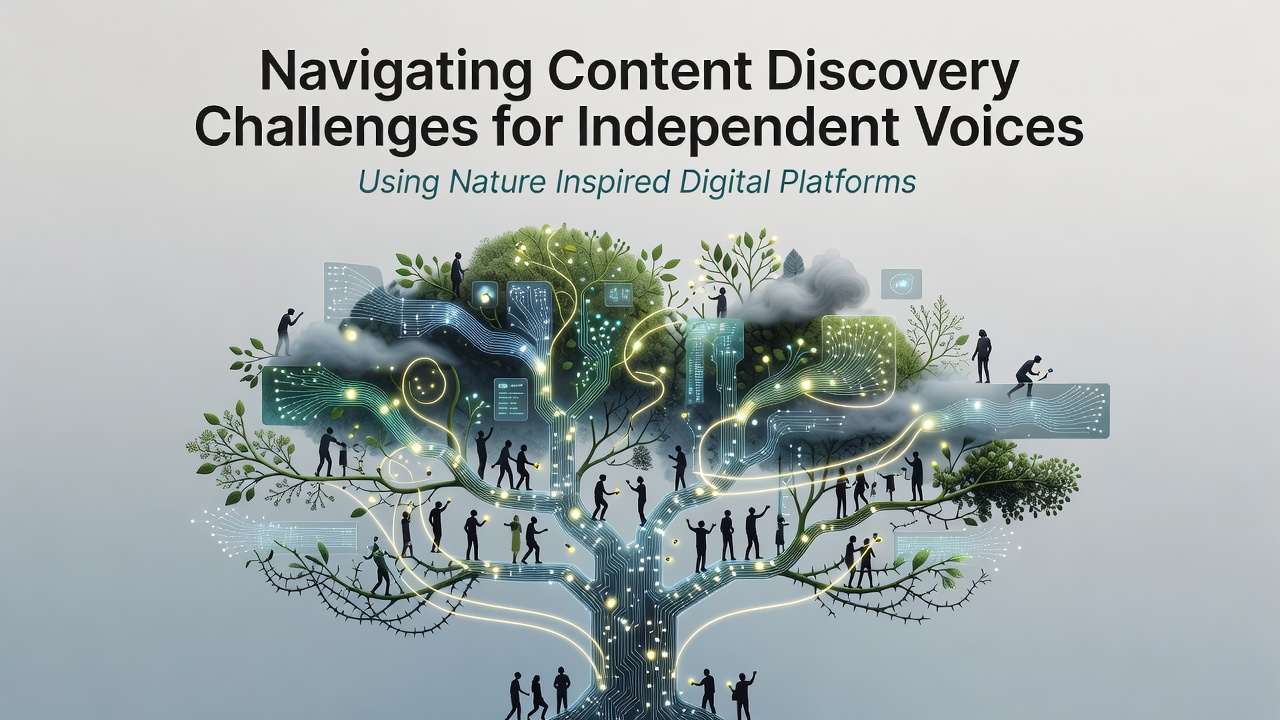
Navigating Content Discovery Challenges for Independent Voices Using Nature Inspired Digital Platforms
Independent content creators encounter persistent obstacles when attempting to reach audiences through conventional digital channels, where algorithmic prioritization often favors established outlets over emerging perspectives, and researchers from multiple institutions have documented how platform policies shift traffic patterns in ways that reduce visibility for smaller producers. Data from ongoing monitoring efforts shows that niche sites experience volatility tied to search engine updates, while distribution through social networks requires constant adaptation to policy changes that favor high-engagement formats. Observers note that these dynamics create barriers particularly for voices focused on specialized topics, regional issues, or alternative viewpoints that do not align with mainstream recommendation engines.
Core Discovery Mechanisms and Their Limitations
Centralized platforms rely on engagement metrics and user behavior signals to surface material, yet studies compiled by academic groups indicate that these systems frequently amplify repetitive content cycles rather than diverse sources, leaving independent producers with limited pathways to consistent reach. Those who have examined traffic logs from smaller sites report that reliance on a single channel exposes creators to sudden drops when algorithms adjust ranking criteria, and figures from industry analyses reveal that diversified approaches yield more stable audience growth over multi-year periods. Nature-inspired platforms address some of these constraints by structuring discovery around decentralized connections that resemble ecological networks, where content links form through thematic associations and user-initiated pathways instead of top-down scoring systems.
Applying Ecological Models to Digital Architecture
Designers have drawn from forest canopy structures and prairie root systems to build interfaces that encourage gradual, organic exploration, allowing users to encounter material through layered navigation rather than direct search results alone. These models incorporate elements such as interconnected topic clusters and seasonal content rotations that mirror natural cycles, which helps surface independent contributions alongside more prominent material without requiring paid promotion. Reports from technology research centers show that platforms employing such structures experience higher retention among users seeking depth over volume, while independent creators gain incremental visibility through cross-referencing that builds naturally over time. In November 2026, several pilot networks released updated mapping tools that track these connection patterns, providing creators with clearer indicators of how their material integrates into broader discovery webs.

Implementation Patterns Observed in Practice
Operators of nature-inspired sites often begin by establishing core thematic nodes that function like established plant communities, then allow peripheral contributions to attach through contextual relevance rather than competitive bidding for attention. One documented approach involves maintaining stable base layers for evergreen material while introducing seasonal highlights that draw fresh exploration, which aligns with user patterns identified in longitudinal usage studies. Those managing such platforms report that integration with external indexes from regulatory bodies helps maintain discoverability even as major search providers alter their own criteria, and data compiled across regions shows measurable differences in audience stability when compared with single-channel strategies. External verification from sources including the OECD digital economy reports confirms that diversified distribution reduces exposure to isolated volatility events.
Measurement and Adaptation Over Time
Tracking success within these systems requires metrics focused on connection density and pathway durability rather than raw impression counts, since the goal centers on sustained presence within an evolving network. Analysts at research institutions have developed tools that map referral flows across multiple nodes, revealing how independent material gains traction through repeated contextual links instead of one-time spikes. In practice, creators who monitor these flows adjust their output to strengthen thematic ties, producing material that fits naturally into existing clusters while introducing new angles that extend the network outward. Figures released in late 2026 from cross-regional comparisons highlight that sites adopting these methods maintained steadier referral rates during periods of broader platform instability.
Conclusion
Nature-inspired digital platforms provide structured alternatives for independent voices by replacing centralized ranking with connection-based discovery that builds resilience through distributed pathways, and evidence from multiple monitoring programs indicates continued development of these approaches through 2026 and beyond. Creators who map their material to thematic clusters and maintain consistent integration with external indexes position their work for longer-term visibility amid shifting algorithmic environments. The second external reference comes from the Australian Competition and Consumer Commission digital platform inquiries, which document similar patterns in regional content ecosystems. Continued refinement of measurement tools and interface designs supports broader adoption among those seeking stable audience access outside dominant channels.