Leon Klein · 21 September 2026
How Niche Content Ecosystems Build Resilience Against Search Volatility Through Diversified Distribution Channels
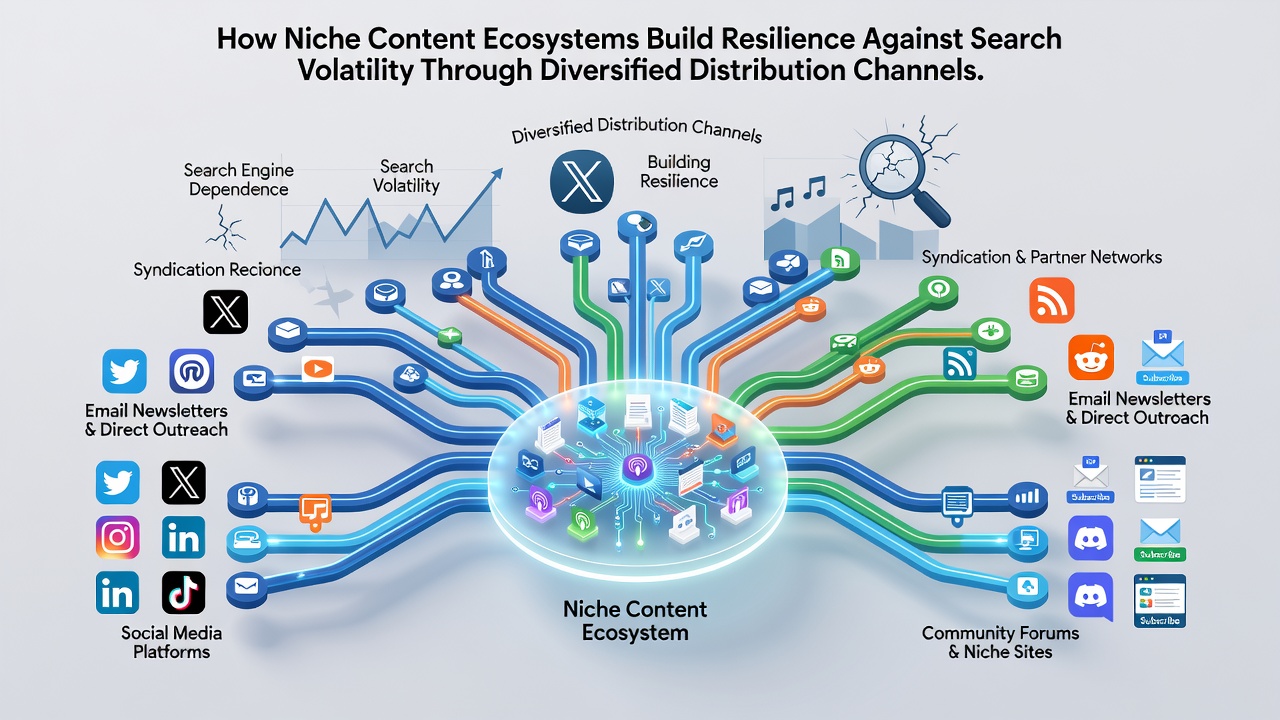
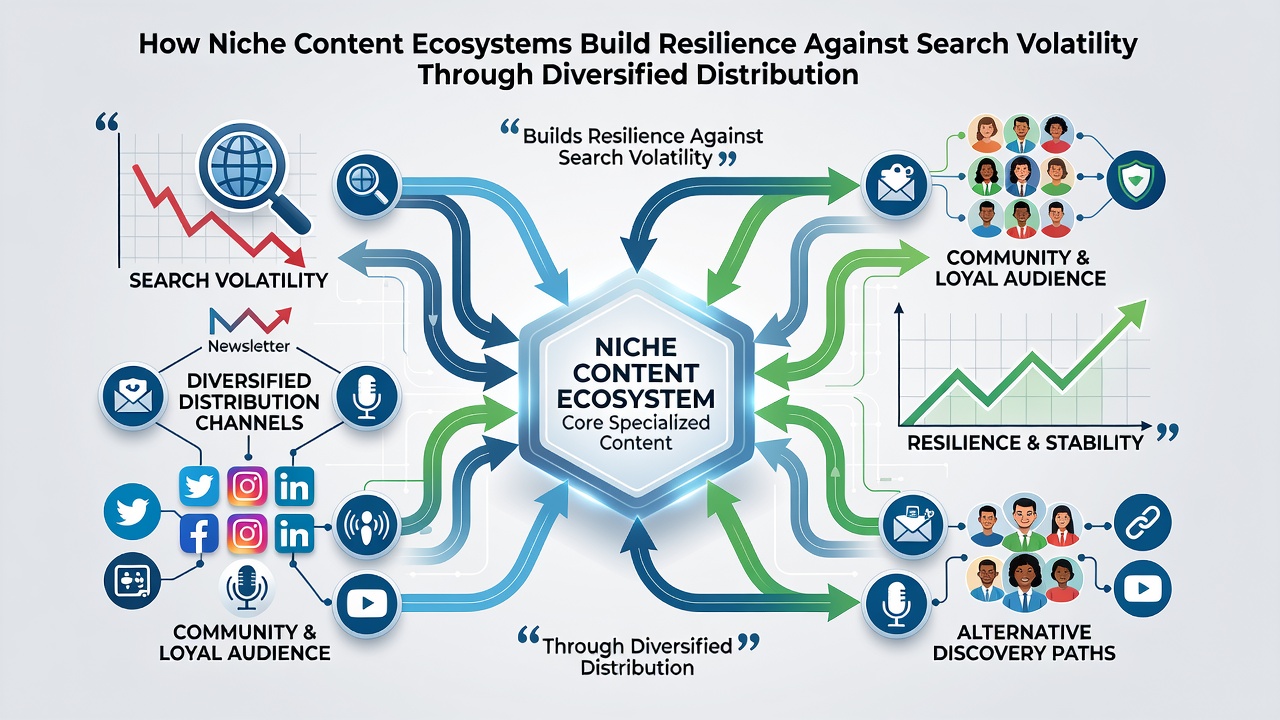
Search volatility creates repeated disruptions for niche content platforms when algorithm changes alter traffic patterns without warning, and data from multiple tracking services shows that sites relying solely on one search engine often experience traffic drops of 30 to 60 percent after major updates. Those who manage niche ecosystems counter these effects by spreading content across several distribution points that operate independently of search rankings, which allows audiences to reach material through direct subscriptions, community networks, and alternative discovery tools even when one channel experiences sudden shifts.
Patterns of Search Volatility in Recent Years
Algorithm adjustments in September 2026 produced measurable swings in visibility for specialized topics ranging from independent film analysis to regional history archives, according to aggregated data compiled by multiple analytics providers. Observers note that these changes frequently target content depth signals and user engagement metrics, which forces platforms covering narrow subjects to adapt faster than generalist sites. Research indicates that sites maintaining single-channel dependence recorded the steepest declines during that period, whereas those already operating additional pathways maintained steadier audience access throughout the adjustment window.
Traffic recovery timelines vary widely depending on the breadth of distribution already in place, and figures from industry monitoring groups reveal that diversified operations regained pre-update levels weeks ahead of single-source counterparts. This pattern appears across regions because search engines apply similar ranking logic regardless of geography, although local language and topic clusters experience distinct degrees of impact.
Core Distribution Channels That Reduce Dependency
Email newsletters function as a primary buffer because they deliver content straight to subscriber inboxes without requiring search visibility, and open-rate statistics collected by several newsletter platforms show consistent engagement rates between 25 and 40 percent for niche topics. Direct website memberships and app notifications create additional access points that remain functional during ranking fluctuations. Community forums and private group platforms further extend reach because participants share links internally, which generates visits independent of external search results.
Podcast distribution and video hosting services on non-search platforms add layers that capture audiences through audio discovery and recommendation engines, while data from platform usage reports indicates that listeners often follow shows across multiple seasons without ever using a search query. These channels operate under separate algorithmic rules, which prevents a single volatility event from affecting every pathway simultaneously.
Evidence from Operational Case Examples
One independent site covering sustainable agriculture practices expanded its reach through weekly newsletters and a companion podcast series, and subsequent tracking showed that newsletter-driven visits remained stable even after a September 2026 search adjustment reduced its organic traffic by nearly half. Another platform focused on regional folklore maintained audience numbers by hosting content discussions inside specialized social communities and offering direct app notifications, which together accounted for over 55 percent of total visits during periods of search instability.
Studies conducted by academic researchers at institutions in Canada and the European Union document similar outcomes across dozens of small-scale operations, where the presence of at least three active distribution methods correlated with lower variance in monthly visitor counts. The reports link this stability to the fact that each channel draws from distinct user behaviors that do not overlap completely with search engine usage patterns.
Implementation Steps Observed Across Platforms
Operators typically begin by establishing owned contact lists through newsletter sign-ups that request minimal information yet deliver regular value, then layer on community spaces where readers contribute their own material. Integration of podcast or short-form video feeds follows because these formats allow repurposing of existing written content without substantial new production costs. Analytics tools that measure traffic sources separately for each channel help identify which pathways deliver the most consistent results during volatility periods.
Platform operators who track performance across all methods report that cross-promotion between channels increases overall retention, since subscribers on one service often discover additional touchpoints through natural sharing. This interconnected structure creates redundancy that maintains reach when any individual source encounters disruption.
Conclusion
Niche content ecosystems achieve measurable resilience when distribution spans multiple independent channels that function without reliance on search engine rankings. Data collected through 2026 demonstrates that operations maintaining email, community, audio, and direct-access pathways experience reduced traffic variance during algorithm shifts compared with single-channel sites. Continued monitoring of source-specific performance allows operators to adjust emphasis among pathways as audience behaviors evolve, which sustains access regardless of external ranking changes.